
- As an Amazon Associate, I earn from qualifying purchases.
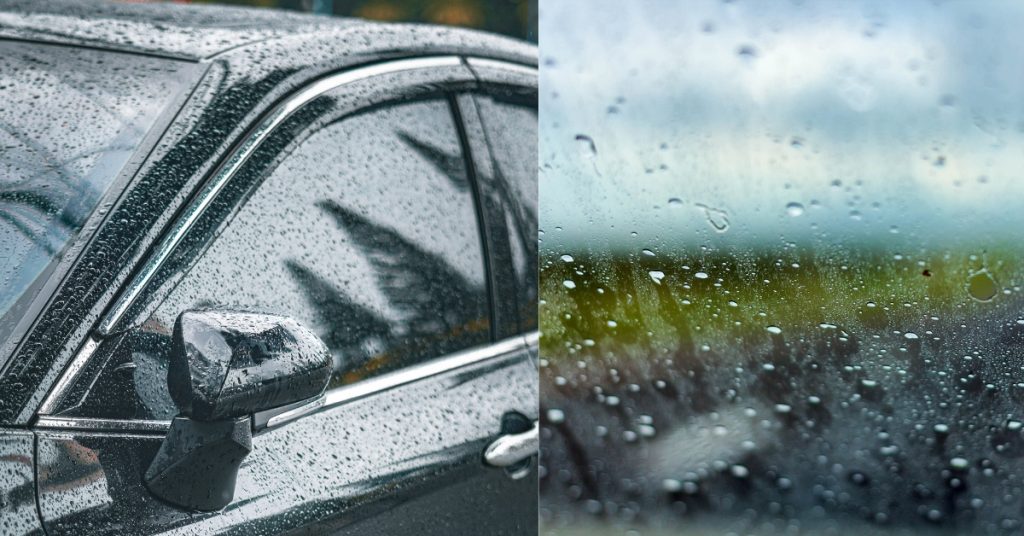
Water spots on car windows, caused by mineral deposits like calcium and magnesium, can cloud visibility and even etch into the glass if left untreated. These stubborn marks don’t come off with regular washing, but you don’t need expensive treatments to tackle them. A quick and safe solution involves using household items like white vinegar mixed with water. Spray the mixture onto the spots, let it sit for a few minutes, and wipe with a microfiber cloth for a streak-free finish. For tougher stains, a paste of baking soda and water can gently scrub away deposits without scratching the glass.
To prevent future water spots, dry your windows immediately after washing or exposure to rain, and consider applying a water-repellent glass treatment. These products create a protective barrier, making it harder for minerals to stick. With these simple steps, you can keep your car windows clear, safe, and showroom-ready.
Contents
Why It’s Important to Remove Water Spots from Car Windows
Car window cleaning and maintenance goes far beyond aesthetics. Water spots create serious safety concerns that affect every drive you take.
Compromised Visibility Puts You at Risk
Water spots scatter light in unpredictable ways, creating dangerous blind spots and glare. When sunlight hits these mineral deposits, it refracts at odd angles, making it difficult to see pedestrians, other vehicles, or road hazards clearly. Night driving becomes particularly treacherous as oncoming headlights create intense glare patterns across spotted glass.
Permanent Glass Damage Costs More Than Prevention
Hard water contains minerals that don’t just sit on your glass surface—they bond with it. Over time, these deposits etch microscopic pits into the glass structure. This etching process is irreversible and eventually requires complete window replacement. What starts as a $5 cleaning solution can become a $300+ repair bill if ignored.
Your Car’s Value Depends on Maintenance Details
Potential buyers notice water-spotted windows immediately. These marks signal neglect and suggest other maintenance issues might be lurking. Clean, clear glass demonstrates careful ownership and helps maintain your vehicle’s resale value. Professional detailers often charge $50-100 just for glass cleaning, making DIY maintenance a smart financial choice.
How to Remove Water Spots from Car Windows (Step-by-Step)
This proven method safely eliminates water spots without damaging your glass or surrounding trim. Each step builds on the previous one, ensuring complete removal and long-lasting results.
Step 1: Wash and Dry the Car Thoroughly
Start with a complete car wash using pH-neutral car soap. This removes surface dirt, road grime, and loose contaminants that could scratch your glass during the spot removal process. Rinse thoroughly and dry with clean microfiber towels, paying special attention to window frames where water tends to pool. If you don’t have the setup at home, you might even look for options, like Do it yourself car wash close to me to get started easily.
Park your car in shade and ensure the glass surface feels cool to the touch. Hot glass causes cleaning solutions to evaporate too quickly, leaving streaks and reducing effectiveness.
Step 2: Create Your Vinegar Solution
Mix equal parts white vinegar and distilled water in a spray bottle. This acidic solution dissolves mineral deposits naturally without harsh chemicals. Distilled water prevents adding new minerals to your glass while the vinegar breaks down existing calcium and magnesium buildup.
For stubborn spots, increase the vinegar concentration to 60% vinegar and 40% distilled water. Never use undiluted vinegar, as it can damage rubber seals and trim pieces around your windows.
Step 3: Apply and Let It Work
Spray the vinegar solution generously across the spotted areas. The key is saturation—you want the minerals fully dissolved, not just dampened. Allow the solution to sit for 3-5 minutes, giving the acid time to break down the deposits.
Don’t let the solution dry completely on the glass. If you’re working in warm weather, apply the solution to one window at a time to maintain proper working time.
Step 4: Gently Scrub with Proper Technique
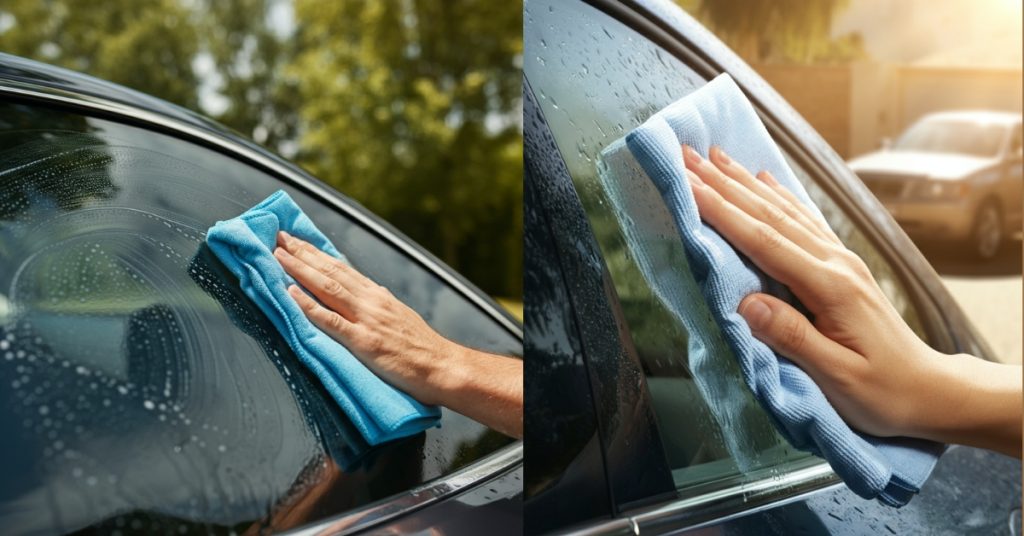
Use a clean microfiber cloth or non-abrasive pad to work the solution across the glass. Apply moderate pressure and use circular motions, focusing extra attention on heavily spotted areas. The dissolved minerals should wipe away easily without excessive scrubbing.
For particularly stubborn spots, try a clay bar designed for automotive glass. These specialized tools safely remove embedded contaminants without scratching. Lubricate the clay bar with your vinegar solution and glide it gently across the affected areas.
Step 5: Rinse and Inspect Your Progress
Rinse thoroughly with clean water to remove all vinegar residue and dissolved minerals. Use a clean microfiber towel to dry the glass completely, then inspect your work in good lighting. You should see dramatic improvement in clarity and spot reduction.
If some spots remain, repeat the process rather than using more aggressive techniques. Patience prevents damage and delivers better results than harsh scrubbing.
Step 6: Apply Protection for Long-Term Results
Once your glass is completely clean and dry, apply a quality glass sealant or water repellent treatment. These products create a barrier that causes water to bead and roll off rather than evaporating in place. This single step dramatically reduces future water spot formation.
Best Products for Removing Water Spots from Car Glass
Professional-grade results don’t always require professional-grade prices. These proven solutions range from household items to specialized automotive products.
Follow the product manufacturer’s instructions for application and curing time. Most treatments require 24 hours to fully bond with the glass surface.
Vinegar and Distilled Water Mixture
This classic combination remains the most cost-effective solution for regular maintenance. White vinegar costs less than $2 per gallon and safely removes most mineral deposits without environmental concerns. The acidic properties dissolve calcium and magnesium buildup, while remaining gentle enough for regular use.
Mix fresh solutions for each cleaning session to maintain effectiveness. Store-bought glass cleaners often contain vinegar as a primary ingredient, making the homemade version both economical and effective.
Commercial Glass Cleaners
Products like Invisible Glass and Meguiar’s Perfect Clarity offer convenient, ready-to-use formulations designed specifically for automotive glass. These cleaners contain precisely balanced ingredients that remove spots while preventing streaking.
Look for ammonia-free formulations to protect tinted windows and rubber seals. Professional-grade cleaners often include anti-static properties that repel dust and reduce future spotting.
Specialized Water Spot Removers
Chemical Guys Water Spot Remover and similar products target heavy mineral buildup that resists conventional cleaners. These concentrated formulas contain stronger acids that dissolve stubborn deposits while including protective agents that prevent glass damage.
Use these products sparingly and follow safety instructions carefully. Always test on a small, inconspicuous area first to ensure compatibility with your specific glass type.
Clay Bar Kits for Severe Cases
Automotive clay bars physically remove embedded contaminants that chemical cleaners can’t dissolve. These malleable cleaning tools safely lift stubborn deposits without scratching when used with proper lubrication.
Clay bar kits typically include the clay medium, spray lubricant, and detailed instructions. One kit can clean multiple vehicles and lasts for years with proper storage.
How to Prevent Water Spots on Car Windows
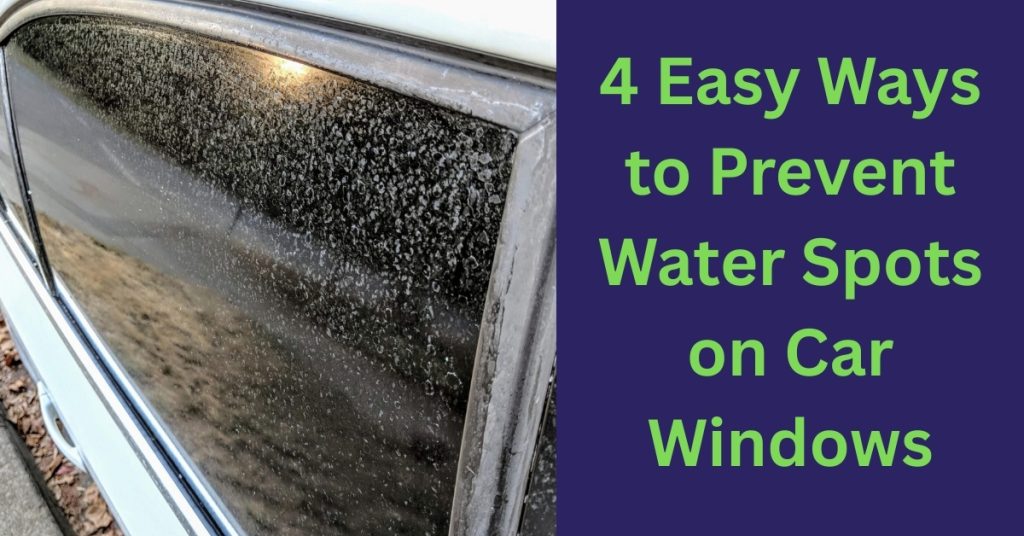
Protecting car windows from water spots requires consistent habits and the right products. Prevention always costs less than removal and keeps your car looking its best.
Timing Your Car Washes Strategically
Wash your car during cooler parts of the day—early morning or late evening—when water evaporation rates are lower. This gives you time to properly dry each section before minerals can deposit on the glass.
Avoid washing during direct sunlight or when glass surfaces feel hot to the touch. High temperatures cause rapid evaporation that concentrates minerals and creates stubborn spots.
Immediate Drying After Every Wash
Water left to air-dry on glass creates perfect conditions for spot formation. Use clean, dry microfiber towels to remove all water immediately after washing. Pay special attention to areas where water pools, such as window corners and trim edges.
Keep dedicated glass-drying towels separate from those used on painted surfaces. This prevents cross-contamination that can cause streaking or scratching.
Strategic Parking Choices
Covered parking protects your car from rain, sprinkler systems, and morning dew that contribute to water spot formation. When covered parking isn’t available, choose shaded areas that reduce evaporation rates and minimize mineral concentration.
Tree coverage provides natural protection, but be aware of sap and bird droppings that create different cleaning challenges. Underground garages offer ideal protection from all environmental factors.
Water Repellent Treatments
Products like Rain-X and ceramic glass coatings create hydrophobic surfaces that cause water to bead and roll off rather than spreading across the glass. This beading action prevents water from remaining in contact with the glass long enough to evaporate and leave deposits.
Apply these treatments every 3-6 months, depending on driving conditions and climate. Regular reapplication maintains maximum effectiveness and provides consistent protection. For overall car care, especially after repair jobs, here’s a detailed guide on how to clean a car after body repair to keep both the body and windows looking fresh.”
Frequently Asked Questions About How to remove water spots from windows on car
What causes water spots on car windows?
Water spots form when mineral-rich water evaporates on glass surfaces, leaving behind calcium, magnesium, and other dissolved minerals. Hard water contains higher concentrations of these minerals, making spots more likely to form. Sprinkler systems, rain, and car washes all contribute to spot formation, especially when water is allowed to air-dry on glass.
Can water spots damage the glass permanently?
Yes, untreated water spots can permanently etch into glass through a process called silica etching. The minerals in hard water chemically bond with the glass surface, creating microscopic pits that cannot be removed through cleaning. This etching reduces transparency and eventually requires glass replacement. Early removal prevents permanent damage.
Is vinegar safe to use on car windows?
White vinegar diluted with distilled water is safe for car windows when used properly. The acidic properties effectively dissolve mineral deposits without damaging glass. However, avoid contact with rubber seals, trim pieces, and painted surfaces, as prolonged exposure can cause deterioration. Always rinse thoroughly after application and test on a small area first.
How often should I apply a water repellent to prevent spots?
Most water repellent treatments last 3-6 months under normal driving conditions. Harsh weather, frequent washing, and highway driving can reduce effectiveness more quickly. Monitor water beading behavior—when water stops forming tight beads and begins to spread, it’s time to reapply. Regular reapplication maintains optimal protection and makes cleaning easier.
Can clay bars remove hard water stains?
Clay bars effectively remove many hard water stains by physically lifting embedded contaminants from the glass surface. They work particularly well on spots that resist chemical cleaners. Always use proper clay bar lubricant to prevent scratching, and knead the clay frequently to expose clean surfaces. For severe etching, professional glass polishing may be necessary.
Keep Your Windows Crystal Clear Year-Round
Keep your car windows crystal clear by using a vinegar solution to remove water spots, or opt for specialized products and clay bars for tougher stains. Prevent spots by drying windows after washing, parking strategically, and applying water repellents every 3-6 months. Gentle, consistent maintenance protects your glass, enhances visibility, and keeps your car looking its best.
- As an Amazon Associate, I earn from qualifying purchases.

