
- As an Amazon Associate, I earn from qualifying purchases.
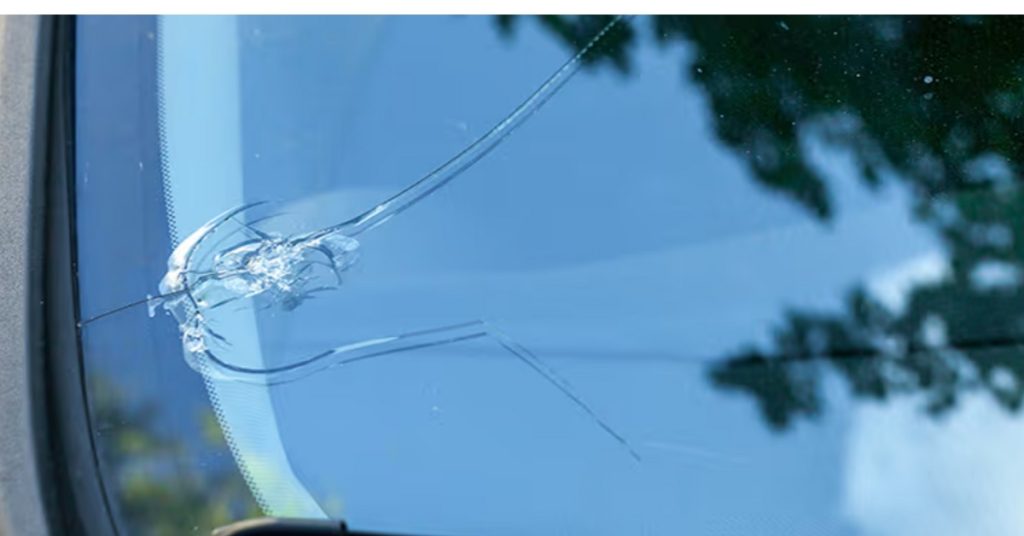
A small crack in your windshield might seem like a minor inconvenience, but ignoring it can quickly turn into a costly mistake. Windshield cracks compromise your vehicle’s structural integrity, reduce visibility, and can spread rapidly under the right conditions. What starts as a tiny chip from a flying pebble can expand across your entire windshield within hours or days.
The good news is that you can take immediate action to prevent further damage. Understanding how to stop a windshield crack from spreading using quick fixes can buy you valuable time until you can get professional repair. This guide will walk you through proven methods to halt crack progression, explore effective DIY solutions, and help you make informed decisions about when to repair versus replace your windshield.

Contents
- 1 Why It’s Important to Stop a Windshield Crack Quickly
- 2 How to Stop a Windshield Crack from Spreading (Step-by-Step)
- 3 Best Quick-Fix Options Before Professional Help
- 4 How to Prevent Future Windshield Cracks
- 5 Taking Action for Long-Term Safety
- 6 Frequently Asked Questions About How to Stop a Windshield Crack from Spreading
Why It’s Important to Stop a Windshield Crack Quickly
Safety Concerns With Cracked Glass
Your windshield provides up to 30% of your vehicle’s structural support during a collision. Even small cracks weaken this critical safety component, reducing its ability to protect you during an accident. A compromised windshield may not deploy airbags properly, as many airbag systems rely on the windshield’s structural integrity to function correctly.
Cracked glass also creates visibility issues. Light refraction through damaged areas can distract drivers, especially during night driving or in bright sunlight. These visual distortions increase your risk of accidents and make it harder to spot pedestrians, cyclists, or other vehicles.
Preventing Costly Escalation
Temperature fluctuations cause glass to expand and contract, putting stress on existing cracks. A small chip that costs $50 to repair professionally can quickly become a full windshield replacement costing $200 to $500 or more, depending on your vehicle model.
Most insurance companies cover windshield crack repairs with minimal or no deductible, but replacement costs often require you to pay your full deductible. Acting quickly to stop crack progression can save you hundreds of dollars and preserve your vehicle’s original factory glass. When considering other vehicle upgrades, many drivers also ask how much does it cost to tint car windows to balance protection and budget.
Legal Requirements and Inspection Issues
Many states have strict regulations about windshield damage. Cracks longer than six inches or located in the driver’s primary vision area can result in traffic citations and failed vehicle inspections. Some jurisdictions consider driving with a severely cracked windshield a moving violation that affects your driving record and insurance rates.
How to Stop a Windshield Crack from Spreading (Step-by-Step)
Step 1: Clean the Damaged Area Thoroughly
Start by removing all dirt, debris, and moisture from the crack using compressed air or a clean, dry cloth. Any contamination trapped in the crack can prevent proper adhesion of repair materials and may cause the damage to worsen. Use glass cleaner around the surrounding area, but avoid getting cleaning solution directly into the crack, as it can interfere with repair materials.
Step 2: Apply Temporary Sealant
For immediate crack stabilization, apply a small amount of clear nail polish or cyanoacrylate (super glue) along the entire length of the crack. Use a thin layer and allow it to penetrate the crack completely. This temporary solution creates a barrier against moisture and debris while providing minor structural reinforcement.
Work in temperatures between 50-70°F when possible, as extreme temperatures can affect how well the sealant adheres and cures. Apply the sealant from both inside and outside the vehicle if the crack penetrates completely through the glass.
Step 3: Control Temperature Exposure
Park your vehicle in shaded areas whenever possible to minimize thermal stress on the glass. Sudden temperature changes can cause rapid crack expansion, so avoid using your defroster on high heat or blasting cold air conditioning directly onto the windshield.
If you must park in direct sunlight, consider using a windshield sunshade to reduce interior temperature buildup. Similarly, during winter months, warm up your vehicle gradually rather than using maximum heat settings immediately.
Step 4: Minimize Vibrations While Driving
Drive more cautiously to reduce vibrations that can worsen cracks. Avoid rough roads, construction zones, and high speeds that create additional stress on your windshield. Close doors gently rather than slamming them, as the pressure changes can aggravate existing damage.
Consider taking alternate routes that avoid bumpy surfaces, and reduce your following distance to minimize the risk of additional road debris impact. These precautions help prevent your temporary repair from failing before you can get professional help.
Step 5: Schedule Professional Repair Immediately
Contact a qualified auto glass repair service within 24-48 hours of applying your temporary fix. Professional technicians use specialized resins and equipment that create permanent repairs much stronger than DIY solutions. Most mobile glass repair services can come to your location, making the process convenient and efficient.
Best Quick-Fix Options Before Professional Help
Clear Nail Polish Method
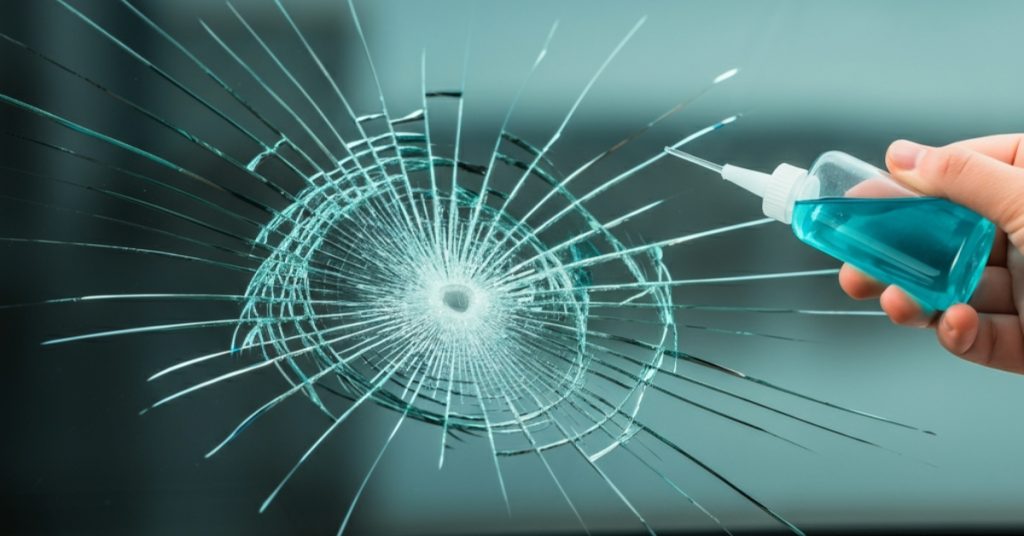
Clear nail polish offers an easily accessible temporary solution for small cracks and chips. Choose a high-quality polish with good adhesion properties, and apply thin coats rather than one thick application. Allow each coat to dry completely before adding additional layers.
This method works best on cracks shorter than six inches and surface-level damage that hasn’t penetrated completely through the glass. While not a permanent solution, nail polish can effectively prevent crack spreading for several days to weeks.
DIY Windshield Repair Kits
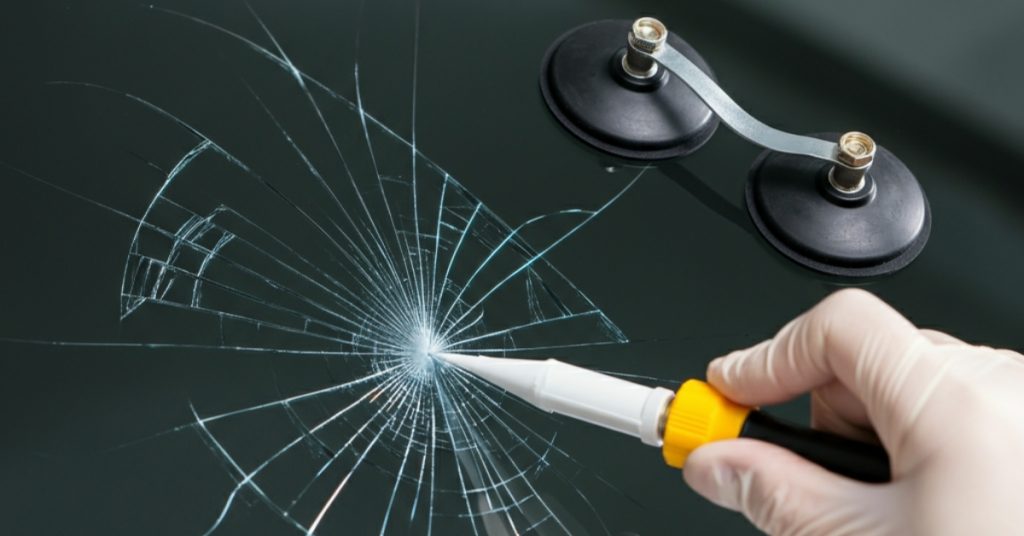
Commercial windshield repair kits provide more robust temporary solutions than household items. These kits typically include specialized resin, application tools, and detailed instructions for proper use. Popular brands like Rain-X, Permatex, and Blue Star offer kits specifically designed for different types of windshield damage.
Most DIY kits work best on star-shaped chips or short cracks under three inches long. Follow the manufacturer’s instructions carefully, and ensure proper curing time for maximum effectiveness. While these repairs can last several months, they’re still considered temporary solutions.
Protective Film and Tape Applications
For longer cracks that can’t be effectively sealed with liquid solutions, consider applying clear packing tape or specialized glass repair film over the damaged area. This method prevents debris and moisture from entering the crack while providing some structural support.
Apply the tape smoothly to avoid air bubbles, and extend coverage at least one inch beyond each end of the crack. Replace the tape if it begins to peel or lose adhesion, as gaps can allow contaminants to enter the crack.
Strategic Parking for Temperature Control
Your parking choices significantly impact crack progression. Seek covered parking, garages, or shaded areas whenever possible. If outdoor parking is unavoidable, position your vehicle so the windshield faces away from direct sunlight during the hottest part of the day.
Use windshield sunshades, especially those with reflective surfaces, to reduce heat buildup inside your vehicle. This simple step can prevent thermal expansion that causes cracks to spread rapidly during hot weather.
How to Prevent Future Windshield Cracks
Maintain Proper Following Distance
Most windshield damage results from road debris kicked up by other vehicles. Maintain at least a three-second following distance in normal conditions, and increase this to four or five seconds when driving behind large trucks, construction vehicles, or on gravel roads.
Pay special attention to newly paved roads where loose gravel and construction debris may still be present. Reducing your speed in these areas gives you more time to react to flying debris and reduces the impact force if contact occurs.
Choose Routes Wisely
Plan your routes to avoid construction zones, unpaved roads, and areas known for loose gravel when possible. While this isn’t always practical, being selective about your driving routes can significantly reduce your exposure to windshield-damaging conditions.
Use navigation apps that provide real-time construction updates, and consider alternate routes during peak construction seasons. The extra time spent on safer roads can save you money and hassle in windshield repairs.
Regular Wiper Blade Maintenance
Worn wiper blades can scratch your windshield and create weak points that are more susceptible to cracking. Replace wiper blades every 6-12 months or when you notice streaking, skipping, or visible wear on the rubber edges.
Clean your windshield regularly to remove abrasive particles that can cause microscopic scratches. Use quality glass cleaners and microfiber cloths to maintain clear visibility while preserving the glass surface integrity.
Apply Protective Glass Treatments
Consider applying protective glass treatments that can help strengthen your windshield against impact damage. Products like Rain-X or ceramic glass coatings create protective barriers that may reduce chip damage from small debris.
These treatments also improve visibility during rain and snow, potentially reducing the need for aggressive wiper blade use that can stress your windshield. While not foolproof, protective treatments add an extra layer of defense against common causes of windshield damage.
Taking Action for Long-Term Safety
Quick fixes for windshield cracks serve an important purpose in preventing immediate damage progression, but they should never replace professional repair or replacement when necessary. The temporary solutions outlined in this guide can buy you valuable time and potentially save money, but lasting safety requires expert attention.
Professional auto glass technicians have access to advanced repair resins, specialized tools, and the expertise to determine whether repair or replacement is the safest option for your specific situation. Many mobile glass services offer convenient scheduling and can complete repairs at your home or workplace, making professional care more accessible than ever.
Remember that your windshield is a critical safety component, not just a barrier against wind and weather. Taking prompt action when cracks appear protects both your wallet and your well-being on the road. Similarly, drivers often search for answers to issues like why is my car shaking when I accelerate to address safety concerns quickly.
Frequently Asked Questions About How to Stop a Windshield Crack from Spreading
Can I drive with a cracked windshield?
You can drive with minor cracks temporarily, but it’s not recommended for extended periods. Small cracks under 6 inches located away from the driver’s line of sight are generally safe for short-term driving, but any crack can spread quickly and compromise safety.
Does insurance cover windshield crack repairs?
Most comprehensive auto insurance policies cover windshield repairs with little to no deductible. Many insurers waive deductibles entirely for repairs under $100. Replacement coverage varies by policy, but repairs are almost always more affordable than replacements.
How long will a DIY repair last?
DIY repairs using household items, such as nail polish, typically last 1-3 weeks, while commercial repair kits may last 2-6 months. Professional repairs can last the lifetime of the windshield when done properly on suitable damage.
Can temperature changes make a crack worse?
Yes, temperature fluctuations cause glass to expand and contract, creating stress that can rapidly extend existing cracks. Extreme temperature changes of 20°F or more within short periods pose the highest risk for crack spreading.
Is it better to repair or replace a cracked windshield?
Repair is preferable when possible, as it’s more affordable and maintains your original factory glass. Cracks longer than 12 inches, multiple cracks, or damage in the driver’s primary vision area typically require full replacement for safety reasons.
- As an Amazon Associate, I earn from qualifying purchases.

