
- As an Amazon Associate, I earn from qualifying purchases.
Regular oil changes are one of the most critical maintenance tasks for keeping your vehicle running smoothly. Fresh oil lubricates engine components, reduces friction, and helps prevent costly damage that could leave you stranded on the roadside. Despite being such an essential service, many car owners find themselves wondering exactly how long an oil change should take.
Understanding oil change duration helps you plan your day more effectively and ensures you’re not being taken advantage of by unscrupulous service providers. Whether you’re heading to a quick lube shop, scheduling service at a dealership, or planning a DIY oil change in your garage, knowing what to expect can save you time, money, and frustration. The right information empowers you to make informed decisions about your vehicle’s maintenance schedule.

Contents
Why Timely Oil Changes Matter
Your engine contains dozens of moving metal parts that generate significant heat and friction during operation. Motor oil serves as a protective barrier between these components, preventing metal-on-metal contact that could cause catastrophic engine failure. Over time, oil breaks down, accumulates debris, and loses its protective properties.
Maintaining a consistent oil change schedule preserves engine health and maximizes fuel efficiency. Clean oil flows more easily through your engine, reducing the workload on critical components like the oil pump and ensuring optimal lubrication reaches every part that needs it. This improved efficiency translates directly into better gas mileage and smoother engine performance.
Regular oil changes prevent premature wear and tear on expensive engine components. Dirty oil can’t properly lubricate moving parts, leading to increased friction that generates excessive heat and accelerates component degradation. What might start as a simple maintenance oversight can quickly escalate into thousands of dollars in engine repairs.
Following manufacturer-recommended oil change intervals ensures your vehicle’s warranty remains valid. Most automakers specify exact maintenance schedules in your owner’s manual, and failure to comply can void warranty coverage for engine-related repairs. Keeping detailed maintenance records protects your investment and provides documentation if warranty claims become necessary.
How Long Should an Oil Change Take? (Step-by-Step Breakdown)
The oil change duration varies significantly depending on where you choose to have the service performed and what type of vehicle you drive. Understanding these differences helps you select the most convenient option for your schedule and budget.
Quick Lube Shops: 15–30 Minutes
Express oil change services are designed for speed and convenience. These facilities typically feature drive-through bays where technicians can access your vehicle’s oil drain plug and filter without requiring you to leave your car. The streamlined process includes draining old oil, replacing the filter, and refilling with fresh oil.
Most quick lube shops can complete a standard oil change in 15 to 20 minutes when operating at normal capacity. However, during peak hours or if your vehicle requires special attention, the process might extend to 30 minutes. These facilities prioritize efficiency but may offer limited additional services compared to full-service garages.
Dealership or Full Service Garage: 30–60 Minutes
Dealerships and independent repair shops often provide more comprehensive service during oil changes. Technicians typically perform multi-point inspections, checking fluid levels, belts, hoses, and other components while your vehicle is in the service bay. This thorough approach takes additional time but can help identify potential problems before they become major issues.
The extended timeframe at these facilities accounts for more detailed service documentation and the possibility of discovering maintenance needs beyond a simple oil change. While you’ll wait longer, the comprehensive inspection often provides valuable insights into your vehicle’s overall condition. For example, you might also want to consider how long it typically takes to replace brake pads. You can find out more in our detailed guide on how long it takes to replace brake pads.
DIY Oil Change: 30–60 Minutes
Performing your own oil change gives you complete control over the process and can be highly rewarding for hands-on car enthusiasts. First-time DIY mechanics should expect the process to take closer to an hour as they familiarize themselves with their vehicle’s specific requirements and locate necessary tools.
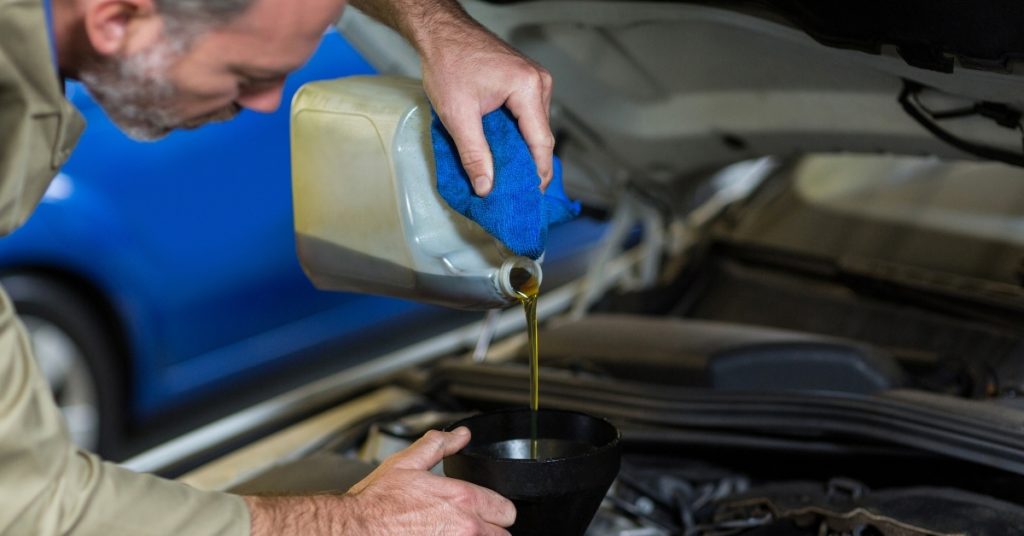
Experienced home mechanics can often complete an oil change in 30 minutes or less. The time investment includes warming the engine, safely lifting the vehicle, draining oil, replacing the filter, and properly disposing of waste materials. Having the right tools and workspace setup significantly impacts efficiency.
What Can Affect Oil Change Time?
Several factors influence how long your oil change will take, and understanding these variables helps set realistic expectations for your service appointment.
Type of Vehicle
Compact cars typically feature easily accessible oil drain plugs and filters, making them quick and straightforward to service. Larger vehicles like SUVs, trucks, and vans may require additional lift height or specialized equipment to reach components safely. Diesel engines often hold significantly more oil than gasoline engines, extending drain and fill times.
Luxury vehicles sometimes feature complex undertray systems or specialized drain plugs that require extra time to access properly. Sports cars with low ground clearance may need specific lifting procedures to prevent damage during service. If you’re considering purchasing a used car, understanding how many miles a used car should have can be crucial for ensuring that it’s in good shape. Find more on how many miles should a used car have.
Location of Oil Filter and Drain Plug
Vehicle manufacturers place oil filters and drain plugs in various locations, some more accessible than others. Top-mounted filters can be reached from above, eliminating the need to lift the vehicle. However, filters located near exhaust components or in tight spaces require additional cooling time and careful maneuvering.
Some vehicles feature multiple drain plugs or complex oil pan configurations that extend service time. European vehicles occasionally use specialized drain plug designs that require specific tools or procedures.
Type of Oil Used
Conventional motor oil flows quickly during draining and filling procedures. Synthetic and high-mileage oils have different viscosity characteristics that may slightly extend drain times, particularly in colder weather when oil thickness increases.
Full synthetic oils often come in more expensive packaging that service technicians handle with extra care, potentially adding a few minutes to the service process. However, the time difference is typically minimal compared to other factors.
Additional Services During the Visit
Many service providers offer complementary inspections during oil changes, checking transmission fluid, brake fluid, coolant levels, and other essential fluids. While these inspections add value, they also extend service time by 10 to 15 minutes.
Some facilities automatically include services like tire pressure checks, battery testing, or air filter inspection. These extras provide peace of mind but should be factored into your time expectations.
Shop Workload or Appointment Delays
Peak service times, typically weekends and after-work hours, can significantly impact wait times even with appointments. Busy shops may experience delays when multiple complex services are scheduled simultaneously or when unexpected repairs arise.
Seasonal factors also affect service timing. Spring and fall often see increased maintenance activity as drivers prepare for temperature extremes, potentially extending wait times at popular service locations.

How to Save Time During an Oil Change
Smart planning and preparation can significantly reduce the time you spend getting your oil changed, regardless of which service option you choose.
Book Appointments in Advance
Scheduling appointments ensures you receive service at your preferred time without waiting for walk-in availability. Many service providers offer online booking systems that let you select convenient time slots and specify your vehicle’s requirements in advance.
Calling ahead during slow periods often results in faster service, as technicians can prepare for your arrival and gather necessary materials beforehand. Some shops offer early morning or late afternoon appointments when customer volume is typically lower.
Choose Express Oil Change Services
Express lube shops specialize in quick, efficient oil changes without additional services that extend visit duration. These facilities are ideal when you need basic maintenance without comprehensive inspections or additional fluid services.
Drive-through oil change services eliminate the need to exit your vehicle, reducing overall service time and providing convenience during inclement weather. However, verify that express services include proper filter replacement and disposal procedures.
Keep Maintenance Records Handy
Having your vehicle’s maintenance history readily available helps technicians quickly identify the correct oil type, filter specifications, and any special requirements. This preparation prevents delays while staff research your vehicle’s needs or contact you for clarification.
Digital maintenance apps or organized paper records demonstrate your commitment to proper vehicle care and can expedite warranty-related discussions if issues arise during service.
Bring Your Own Oil and Filter
Some service providers allow customers to supply their own oil and filters, potentially reducing costs and ensuring specific product preferences are met. However, verify shop policies beforehand, as many facilities require using their own products to maintain service warranties.
When bringing your own supplies, ensure you have the correct quantities and specifications. Incorrect products can cause delays while staff verify compatibility or source proper materials.

Frequently Asked Questions
How often should I get an oil change?
Most modern vehicles require oil changes every 5,000 to 7,500 miles when using conventional oil, or every 7,500 to 10,000 miles with full synthetic oil. However, severe driving conditions like frequent stop-and-go traffic, extreme temperatures, or dusty environments may require more frequent changes. Always consult your owner’s manual for manufacturer-specific recommendations, as intervals vary significantly between different engines and oil types.
Can I drive right after an oil change?
Yes, you can drive immediately after an oil change, but allow the engine to run for a few minutes to circulate the new oil and check for leaks. Most service providers will run your engine briefly and check fluid levels before returning your vehicle. It’s normal for the oil pressure light to illuminate momentarily during startup as new oil circulates through the system.
Does synthetic oil take longer to change?
Synthetic oil doesn’t significantly extend oil change duration compared to conventional oil. The draining and filling processes are virtually identical regardless of oil type. However, synthetic oil changes may take slightly longer due to more careful handling of premium products and additional documentation requirements, typically adding only 2-3 minutes to the overall service time.
Why is my oil change taking longer than usual?
Extended oil change times often result from discovering maintenance issues during routine inspection, busy shop conditions, or vehicle-specific complications like seized drain plugs or difficult filter access. Additionally, if your vehicle hasn’t been serviced recently, technicians may need extra time to address accumulated maintenance needs or verify proper oil specifications for your specific engine.
Is it okay to wait at the shop during the oil change?
Most service facilities welcome customers to wait during oil changes and provide comfortable waiting areas with amenities like Wi-Fi, beverages, and reading materials. Waiting on-site ensures you’re available for questions about additional services and can verify work completion. However, some express services operate more efficiently when customers remain with their vehicles in drive-through bays.
Discover how long an oil change should take and what to expect at home or in a service shop—plus tips to make the process smoother and quicker.
- As an Amazon Associate, I earn from qualifying purchases.

