
- As an Amazon Associate, I earn from qualifying purchases.
When shopping for a used car, one of the first questions that comes to mind is: “What’s considered good mileage?” The odometer reading can tell you a lot about a vehicle’s history, but it’s not always the whole story. A car with 80,000 miles might be in better condition than one with 40,000 miles, depending on how each was maintained and driven.
Many buyers get caught up in the numbers game, assuming that lower mileage automatically means a better deal. However, understanding what constitutes good mileage requires looking beyond the odometer to consider factors like the car’s age, maintenance history, and driving conditions. This guide will help you determine what mileage range to target, how to evaluate a used car’s true condition, and what red flags to watch out for during your search.

Contents
- 1 Why Mileage Matters When Buying a Used Car
- 2 What Is a Good Mileage on Used Car (Step-by-Step Guide)
- 3 What Is the Good Mileage for Used Car?
- 4 What Is the Ideal Mileage for a Used Car?
- 5 Your Next Steps to Finding the Perfect Used Car
- 6 Frequently Asked Questions About What Is a Good/Ideal Mileage on a Used Car
Why Mileage Matters When Buying a Used Car
Mileage serves as a key indicator of how much wear and tear a vehicle has experienced throughout its lifetime. Every mile driven puts stress on the engine, transmission, brakes, tires, and countless other components that keep your car running smoothly. Higher mileage typically correlates with more frequent repairs, higher maintenance costs, and a shorter remaining lifespan.
The odometer reading also directly impacts a car’s resale value. When it comes time to sell or trade in your vehicle, buyers and dealers will use mileage as one of the primary factors in determining its worth. A car with significantly higher mileage than average will likely depreciate faster and be harder to sell.
However, mileage isn’t the only factor that matters. A well-maintained vehicle with 100,000 miles and complete service records can be a much better investment than a neglected car with 50,000 miles. Regular oil changes, timely repairs, and proper care can extend a vehicle’s life well beyond what the odometer might suggest. This is why it’s crucial to examine maintenance history alongside mileage when evaluating any used car.
If you’re adding a spouse to your car insurance policy, you may also want to factor in the costs associated with ownership and maintenance when purchasing a used vehicle. Do you have to add spouse to car insurance? It’s worth considering as part of your overall car-buying strategy.
What Is a Good Mileage on Used Car (Step-by-Step Guide)
Understanding what constitutes good mileage starts with knowing the average annual driving patterns. Most drivers put between 12,000 and 15,000 miles on their vehicles each year. This baseline helps you calculate whether a used car has been driven more or less than typical for its age.
Step 1: Calculate the Mileage-to-Age Ratio
Divide the car’s total mileage by its age to get the average miles per year. For example, a 4-year-old car with 48,000 miles averages 12,000 miles per year, which falls within the normal range.
Step 2: Consider the Car’s Overall Condition
Look beyond the numbers to assess the vehicle’s physical condition. Check for signs of excessive wear on the pedals, steering wheel, and seat bolsters. Inspect the exterior for dings, scratches, and rust that might indicate hard use.
Step 3: Review Maintenance Records
Request documentation of regular service intervals, including oil changes, brake replacements, and major repairs. A higher-mileage car with meticulous maintenance records often represents better value than a low-mileage vehicle with gaps in its service history.
Step 4: Verify Odometer Accuracy
Watch for signs of odometer tampering, such as misaligned numbers, scratches around the instrument cluster, or wear patterns that don’t match the displayed mileage. Cross-check the odometer reading with maintenance stickers, inspection records, and title documents.
Step 5: Factor in Driving Conditions
Highway miles are generally easier on a vehicle than city driving. Cars primarily driven on highways experience less stop-and-go wear, fewer brake applications, and more consistent engine temperatures.
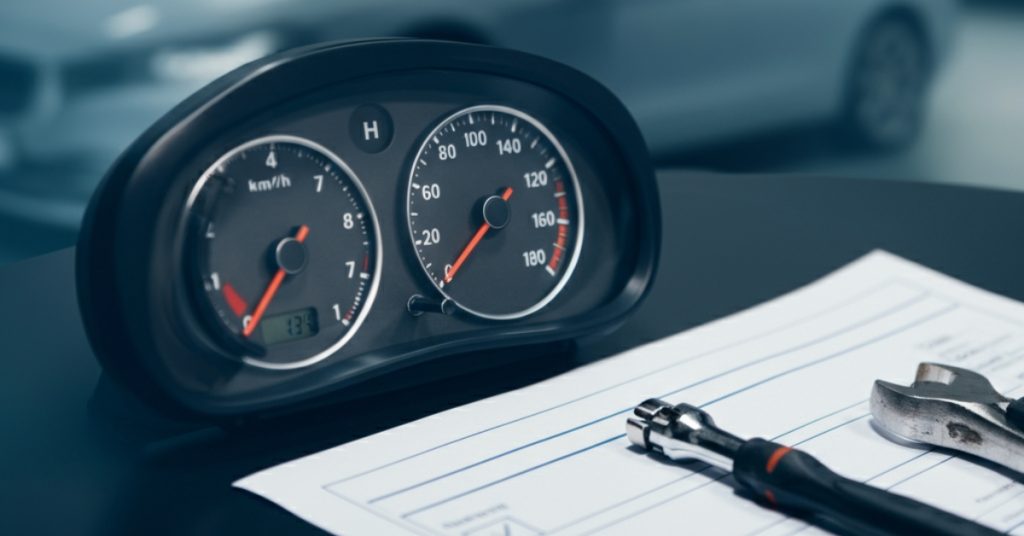
How Many Miles Should a Used Car Have?
The acceptable mileage range depends largely on the vehicle’s age and your intended use. Here are some general guidelines for different age categories:
Cars 2-3 Years Old
A 2-year-old car should have approximately 24,000 to 30,000 miles, while a 3-year-old vehicle typically shows 36,000 to 45,000 miles. These cars are often coming off lease or represent early trade-ins, making them attractive options for buyers seeking newer technology and remaining warranty coverage.
Cars 4-5 Years Old
Four-year-old vehicles commonly have 48,000 to 60,000 miles, and 5-year-old cars typically show 60,000 to 75,000 miles. This age range often provides the best balance of modern features, reliability, and value, as most major depreciation has already occurred.
Cars 6-8 Years Old
Vehicles in this category usually display 72,000 to 120,000 miles. While they may require more frequent maintenance, well-cared-for cars in this range can offer excellent value for budget-conscious buyers.
Higher mileage becomes more acceptable when accompanied by complete maintenance records and evidence of highway driving. Conversely, be cautious of unusually low mileage that might indicate long periods of inactivity, which can be hard on rubber seals, fluids, and battery systems.
What Is the Good Mileage for Used Car?
The definition of “good” mileage varies significantly based on the type of vehicle and its intended use. Different car categories have different durability expectations and typical lifespans.
Sedans and Compact Cars
Most economy sedans and compact cars are engineered for efficiency rather than longevity. Good mileage for these vehicles typically falls under 80,000 miles, though well-maintained examples can reliably serve well beyond 150,000 miles.
SUVs and Trucks
Larger vehicles built for hauling and towing often feature more robust drivetrains designed for higher mileage. Good mileage for SUVs and pickup trucks can extend to 100,000 miles or more, especially for models known for durability.
Luxury and Performance Cars
Premium vehicles often have more complex systems that can be expensive to repair. Good mileage for luxury cars typically means staying under 70,000 miles unless you’re prepared for potentially costly maintenance.
Hybrid Vehicles
Hybrid cars present unique considerations, as battery replacement can be expensive. Good mileage for hybrids usually means under 100,000 miles, though battery technology has improved significantly in recent years.
Regular servicing can extend any vehicle’s reliability well beyond expected mileage ranges. A car with documented oil changes every 5,000 miles, timely belt replacements, and proper fluid maintenance can often exceed 200,000 miles with proper care.
What Is the Ideal Mileage for a Used Car?
Ideal mileage depends on your specific needs, budget, and how long you plan to keep the vehicle. Here are some targeted recommendations:
Daily Commuting
If you need a reliable daily driver, look for vehicles under 60,000 miles with strong maintenance records. This range typically provides several years of dependable service before major components like the transmission or air conditioning system might need attention.
Budget-Friendly Options
Buyers focused on getting the most car for their money should consider vehicles under 90,000 miles with complete service histories. These cars have absorbed most of their depreciation while still offering reasonable reliability expectations.
Long-Term Ownership
For buyers planning to keep their car for many years, ideal mileage falls under 70,000 miles. This provides room for several years of driving while staying within most manufacturers’ major warranty coverage periods.
Brand reputation plays a significant role in determining ideal mileage. Toyota and Honda vehicles, for example, are known for exceptional longevity and can often provide reliable service well beyond 150,000 miles. German luxury brands might require more conservative mileage targets due to complex engineering and higher repair costs.
Model-specific research is essential, as some vehicles have known issues that appear at certain mileage intervals. Online forums, reliability ratings, and mechanic recommendations can help identify the sweet spot for your desired make and model.
Your Next Steps to Finding the Perfect Used Car
Determining good mileage for a used car requires balancing the odometer reading with the vehicle’s age, condition, and maintenance history. While lower mileage is generally preferable, it shouldn’t be your only consideration. A well-maintained car with higher mileage often represents better value than a neglected low-mileage vehicle.
Focus on finding vehicles that fall within 12,000 to 15,000 miles per year of age, but don’t automatically dismiss cars outside this range if they come with exceptional maintenance records or favorable driving histories. Remember that highway miles are typically easier on vehicles than city driving, and consistent maintenance matters more than any single metric.
Before making your final decision, always arrange for a pre-purchase inspection by a qualified mechanic. Even the most promising mileage numbers can’t reveal hidden problems that only professional assessment can uncover. Take time to test drive the vehicle in various conditions, and don’t hesitate to walk away if something doesn’t feel right. The right used car is out there, and understanding mileage is just one tool to help you find it.

Frequently Asked Questions About What Is a Good/Ideal Mileage on a Used Car
Is 100,000 miles too much for a used car?
Not necessarily. While 100,000 miles was once considered high mileage, modern cars are built to last much longer. A well-maintained vehicle with 100,000 miles can provide years of reliable service, especially if it has complete maintenance records and comes from a reputable brand known for durability.
What’s more important: age or mileage?
Both factors matter, but maintenance history is often more important than either. A 10-year-old car with 60,000 miles might have more age-related issues like dried seals and degraded fluids than a 5-year-old car with 80,000 highway miles. Consider both metrics together rather than focusing on just one.
Is a high-mileage Toyota or Honda still worth it?
Yes, Toyota and Honda vehicles are renowned for their longevity and can often provide reliable service well beyond 200,000 miles with proper maintenance. A high-mileage example from these brands with good maintenance records is often a better choice than a lower-mileage vehicle from a less reliable manufacturer.
How do I verify a car’s mileage is accurate?
Check for consistency between the odometer reading and wear patterns on pedals, steering wheel, and seats. Request maintenance records that show progressive mileage increases over time. Look for oil change stickers, inspection documents, and title history that corroborate the displayed mileage.
Can a used car with over 150k miles be reliable?
Absolutely, if it’s been properly maintained. Many vehicles can exceed 250,000 miles with regular care. Focus on maintenance history, current condition, and how the car drives rather than just the odometer reading. A pre-purchase inspection becomes especially important at higher mileages.
- As an Amazon Associate, I earn from qualifying purchases.

